
Building or renovating a home involves risks that can lead to unexpected expenses. Fires, theft, vandalism, and severe weather can damage a property before construction is complete.
Builders risk insurance for homeowner coverage helps protect a building and eligible construction materials against certain losses during construction. However, exclusions, low coverage limits, and policy deadlines can leave homeowners paying out of pocket. Understanding these seven gaps can help protect a construction investment.
What Is Builders Risk Insurance for Homeowners?
Builders risk insurance for homeowner coverage is a property insurance that covers buildings that are being built or are undergoing extensive renovations. For instance, if your unfinished home suffers from a fire, the policy can be useful in repairing the damage. Eligible materials awaiting installation may also be covered by a builders risk policy.
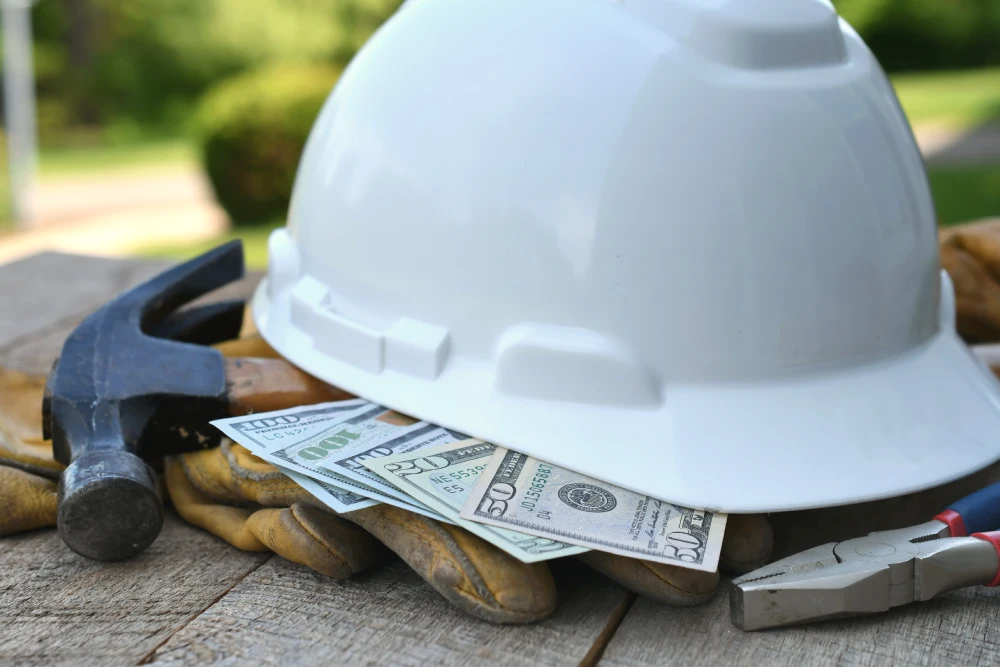
Typical builders risk insurance coverages include:
- Damage from fire and lightning.
- Stealing construction materials which can be used for the project.
- Vandalism and some storm damage.
- Damage to covered building material.
7 Costly Builders Risk Insurance Gaps to Avoid
1. Choosing Low Coverage Limits
Insuring a project for less than its expected construction value can leave homeowners responsible for repair costs beyond the policy limit. Determine allowable construction costs and adjust coverage as budget and scope of work change.
2. Assuming All Theft Is Covered
Consequently, construction sites frequently have costly wire, appliances and lumber. Security and storage conditions may be a factor in the protection provided for theft coverage. Verify the coverage of materials stored outdoors, off-site or in transit.
3. Overlooking Weather Damage
Completed structures are not affected by wind, hail or heavy rain. But there are some flood exclusions and water intrusion may be excluded. Check weather exclusions and take extra precautions where the property is exposed to these risks.
4. Forgetting Off-Site Materials
Contractors may store supplies in warehouses before installation. Some policies prohibit having material away from the construction site. Inquire if off-site storage and transportation coverage is provided or available via endorsement.
5. Ignoring Construction Delays
Covered loss can cause delays in construction and cost more. Some extra expenses for living or lost rental income may not be covered by default. Inquire about optional coverage for the cost of damage covered.
6. Relying Only on Contractor Insurance
Builders general liability insurance generally covers certain third-party injury and property damage claims. It will not automatically protect against damage to the house under construction. It is important the construction contract clearly designates who is responsible for buying the property coverage.
7. Letting Coverage Expire
Construction time can be extended due to bad weather, permit problems and materials shortages. Call the insurance company before the expiration of the policy and make an extension, if necessary. Schedule for transition to normal homeowners insurance when property becomes eligible.
How Much Does Builders Risk Insurance Cost in 2026?
The builders risk insurance cost depends on project value, location, construction type, duration, deductible, and selected coverage.
| Factor | Effect on cost |
| Project value | Higher insured values may increase premiums. |
| Location | Weather and theft risks influence pricing. |
| Construction type | Materials and building methods affect risk. |
| Duration | Longer projects may require extended coverage. |
| Deductible | Higher deductibles may reduce premiums but increase claim expenses. |
Compare quotes using similar limits and exclusions. Reviewing builders risk insurance companies carefully can help identify suitable coverage instead of choosing solely by price.
How to Choose the Right Builders Risk Policy
When comparing builders risk insurance for homeowner options, focus on the project’s specific risks.
- Review exclusions for theft, water damage, and faulty workmanship.
- Confirm coverage limits reflect eligible construction expenses.
- Check policy dates and extension requirements.
- Compare claims handling and insurer financial strength.
- Ask about additional coverage for stored materials and covered-loss expenses.
Some insurers offer builders all risk insurance, which may provide broader protection subject to exclusions. Homeowners should also check whether builders insurance services include suitable guidance for their project. Commercial builders insurance may be relevant for certain larger or business-related construction projects, depending on the insurer’s eligibility rules.

Homeowners researching builder insurance may also encounter products such as Liberty Mutual builders risk insurance. Compare the actual policy terms, availability, limits, and exclusions rather than relying on the product name alone.
Conclusion:
When it comes to construction projects, you can encounter hazards that can easily add to the bill. Homeowners can take steps to prevent these unexpected costs by reviewing exclusions, protecting materials and selecting appropriate limits and by tracking policy dates.
The value, duration and risks of the project should be reflected in the right builders risk insurance for homeowner policy.
Frequently Asked Questions
Is builders risk insurance required for a new home?
Requirements vary with the lender, construction contract and location. Check the conditions with lender before construction begins if a lender requires coverage prior to work.
Does builders risk insurance cover theft?
Certain policies will provide coverage for stolen property that is covered and may also have limitations with regards to unsecured property, transportation and off-site storage.
Does builders risk insurance cover faulty workmanship?
Generally, issues of faulty workmanship are excluded and damages that result from such issues may be limited. Take time to read the policy wording to get to know the treatment of defective work and related losses.
Can builders risk insurance cover renovations?
Yes, some policies will cover major renovations and additions. The work, existing structure, and insurance company’s requirements are determining factors for eligibility.
When should builders risk insurance begin?
Coverage should usually be in place prior to construction. Planning early will prevent eligibility issues and reduce risk of beginning work without appropriate protection.
How long does builders risk insurance last?
Generally, the coverage is for a given construction period. If work is not completed on time, call the insurance company prior to the expiration date of the policy to find out if the work can be extended.
Are materials stored off-site covered?
Depending on the type of policy, some policies will cover materials that are in approved storage, and some will need extra protection in transit. Ensure supplies are stored in other locations where conditions are applicable.
Does builders risk insurance cover storm damage?
Some wind or hail losses could be covered, while other water damage losses might not be covered. Review the weather provisions in the policy and review the policy in-depth if necessary.
Who purchases builders risk insurance?
Coverage may be purchased by the homeowner/contractor as agreed in the construction contract.
How can homeowners avoid coverage gaps?
Review limits, exclusions, storage conditions, and expiration dates before work begins.